
PHYSICAL THERAPY: The art is old, but the science is young.

By Vince Gutierrez PT, cert. MDT


Excerpts taken from the following article:

Thackeray A, Fritz JM, Childs JD, Brennan GP. The Effectiveness of Mechanical Traction Among Subgroups of Patients With Low Back Pain and Leg Pain: A Randomized Trial. J Orthop Sports Phys Ther. 2016;46(3):144-154


  1. “The cost of management for low back pain (LBP) in the United States is estimated at nearly $86 billion annually.”

Put these numbers in perspective. http://www.usdebtclock.org/state-debt-clocks/state-of-illinois-debt-clock.html. If we can come up with a better way in which to treat this epidemic, then we can decrease more than half of the debt from my home state. Performed year to year and we can theoretically reduced the debt load of each state within 100 years. I know that it sounds like it will take a long time, but so far there aren’t any better ideas. If nothing else, this number is humongous. It accounts for about 3% of all healthcare expenses.


  1. “Two commonly used interventions for these patients include an extension-oriented treatment approach (EOTA) and mechanical traction. The EOTA was popularized by the McKenzie examination and treatment system”

First there is a lot to say about these two sentences. One reason that MDT is so closely associated to extension based exercises is because of research articles such as this. This is not the case. The McKenzie examination and treatment system, AKA MDT, is a systematic assessment used to assess patient’s symptoms in order to classify the patient and lead to subsequent treatment. There are a lot of patients that respond to extension, but extension is not MDT. This has to be cleared up more because of a personal problem with patients being treated by a therapist that says “I use McKenzie in my treatment”, when actually the therapist has no more training than someone that has read this blog.

Next, we have to define EOTA. This basically means press-ups or cobra poses in yoga. This could also mean just standing up and leaning against a countertop with your butt pressed against the countertop for support. From this point, lean backwards as far as you can. One thing that separates MDT from EOTA is that MDT stresses mid-range (small stretch) to end-range (big stretch) with overpressure if needed.

Big point is this: MCKENZIE TREATMENT INCLUDES EXTENSION, BUT EXTENSION IS NOT MCKENZIE TREATMENT.


  1. “Many clinicians also report the use of traction for patients with low back and leg pain”

Some people may remember traction from old school hospital shows that has a person in a body cast with the leg suspended in the air with a weight pulling on the leg. The main thing to know is that traction is a shortened form of “DIStraction”, which means to pull apart. For low back pain, this hasn’t been used as much in the 2000’s as it has prior to this century. Previous research (performed by the same people that did this study) found that only a small percentage of people will be a good responder to traction. These people tend to have two characteristics, which will be talked about in a later point.


  1. “Experts generally agree that traction is most appropriate for patients with peripheral symptoms and signs of neurological compromise, for whom centralization of symptoms is a treatment goal”

“Peripheral symptoms” mean that the symptoms are in the periphery (think peripheral vision being around the outside of the eye), peripheral symptoms are around the outer limbs of the body. Centralization is moving the symptoms from the periphery to a more central location, think move the symptoms from the outer limb to the spine. [As an aside: if you see my picture, you can see that I have a two year old. She is actively pulling my arm at this time, so if I sound scatter brained, I blame her.]


  1. The patients that demonstrate improvement with traction in a previous study, “demonstrated at least 1 of the following: peripheralization of symptoms when moving into lumbar extension or a positive crossed straight leg raise”

Every profession has its own language. When I try to read legal documents, I fall asleep. When someone else tries to read medical documents, it can be overwhelming or intimidating. A crossed straight leg raise simply means the following: crossed (opposite leg of the leg that is having pain/numbness/tingling), straight leg (well, this one is kind of self explanatory, but keeping the leg straight), and raise (again self explanatory, but raising the leg while lying on your back).


  1. “This was a …longitudinal randomized trial”.

This means that the study was performed over the course of time from a start point and continued until some point in the future. Randomized means that the subjects in the study (think guinea pig) were randomly placed into one of two groups. This is like when in school and the teacher has to create groups. One of the ways to try to make the teams fair is to draw from a hat. (Another aside: In PT school there was a partner that I loved to work with because our styles totally complemented each other. She was very organized and I was [am] very much the opposite. Let’s just call her M FN Jones. Okay, she carried the team, but I can hold my own on the workload portion. Anyway, the teacher decided to pull our names from a hat on the last project after 3 years of having been allowed to work together (we partnered on almost everything we did up until that point). Needless to say, the teacher pulled our names out as the first group.) The point of that is we were randomly assigned to be in a group, which we would’ve picked in the first place…Moving on.


  1. Inclusion criteria is as follows: “between the ages of 18 and 60 years, presented with leg pain distal [further down the leg] to the buttock and signs of nerve root compression (positive straight leg raise [self-explanatory] or diminished dermatomes [loss of sensation at certain points in the leg], myotomes [specific weakness in the leg] or reflex…and reported moderate disability as indicated by an Oswestry Disability Index score of 20 or greater”

Here we go. Inclusion criteria means that only people that meet the specific requirements are allowed into the study. You would have to meet all of the above requirements in order to compare your self with the people in the study. The therapist that you are seeing should attempt to use research that best matches your presentation to that of what was read. For instance, it doesn’t make sense to use this article for someone that only has back pain. This article is not written for that type of patient.

Next, myotomes and dermatomes. I do a ton of patient education in the clinic. One thing to understand is that you are not special! Well, you may be special, but we are all alike in some aspects. Everyone has a spine (at least everyone that I treat, so as not offended those spineless people). The spine acts like a road map. Meaning if you have a nerve problem at L4-L5 or L5-S1 (think the lowest portion of your back), then your symptoms would travel down to the big toe or to the outer border/bottom of the foot. The reason why I use these points specifically is that about 95% of back problems come from these levels. These nerves can affect the knee jerk reflex or the foot jerk reflex (this reflex is less sexy, so gets less airtime on hospital shows).

If you have been to a therapist or doctor, I am sure that you were told to show up 15 minutes early to fill out paperwork. The Oswestry Disability Index is typically one of those paperworks that you have to fill out. It essentially gives us a starting point from which to judge how the symptoms affect your everyday life. The higher the score, the worse you are doing.

  1. “A series of active extension-oriented exercises were performed and progressed…(patients) were instructed to discontinue any activities and to avoid positions that could cause their symptoms to peripheralized or increase in intensity, and were encouraged to stay active.”

Extension oriented exercises are those that I described earlier: the cobra pose and back bending, in addition to prone lying (lying on your belly) and prone on elbows (propped up on your elbows like a kid watching t.v.). It sounds funny that lying on your belly is considered exercise, but if I can charge for it, then it must be exercise. Just kidding. People that lose the ability to bend backwards may be able to start with the lowest level of extension, which in this case is simply prone lying. This is progressed until the patient can perform repeated extension in standing (increasing the lordosis [hollow] in the lower part of the spine.

Participants were instructed to not make themselves any worse. This seems like common sense, but if the person doesn’t understand centralization and peripheralization, this request may not be followed, as sometimes the back pain is more intense compared to the leg symptoms experienced prior to performing extension based movements. The patient must understand that leg symptoms = bad and back symptoms = better.

  1. “The traction protocol was designed with guidance from expert clinicans who use traction frequently and was aimed at a population with lumbar radicular pain consistent with a disc herniation”

This one puzzles me as a clinician. What this says is: “we didn’t really have a good place to start, based on research, so we just called some people that use this treatment to see what they do”. This is the whole “art of science”, in that traction is a traditional based exercise, but its artsy because there’s not much science showing it works.

  1. “Treatments were provided by a licensed physical therapist trained in all study procedures during a 90-minute training session”

Obviously, the people doing the study are well respected and I have met 2 of them. It sounds more glamorous than it actually was-more of a handshake really-but it’s true. That’s my way of saying that these are also considered the “great gurus” of our profession. Now, after saying that…90 minutes?! Really? This is another part that I am frustrated with MDT being used as background information of this study. MDT trained therapists undergo over 80 hours of coursework before sitting for a test in order to be considered “minimally competent”. To say that the researchers learned the procedures in 90 minutes and then compare this to MDT is a travesty. “And that’s all I got to say about that.” A la Mr. Gump.

  1. “The mean +- SD number of treatment sessions was 10.1+- 2.7, with no difference between group.”

What this means is that the people in the study were seen for anywhere from 7-13 visits. Think about that. If you are going to a therapist for more than 13 visits and there has been no effect for back pain, maybe it’s not working.

  1. “…4 participants assigned to EOTA (switched to traction).”

Extension is not for everyone. If a treatment isn’t working or you are getting worse from extension (backward type movements), you should probably switch treatments or go somewhere else if the healthcare practitioner is not comfortable moving you in a way that doesn’t make you worse. There’s a couple of sayings that come to mind in this situation. When I was first learning MDT, many “experienced” therapists told me that to an MDT practitioner “everything looks like a nail, because all you have is a hammer”. This couldn’t be further from the truth and the statement only demonstrates the healthcare practitioner’s ignorance. Don’t get me wrong, I forgive ignorance, but not after having informed you of the total wrongness of the statement. Let’s also talk about experience for a second. I take many students, as I am a credentialed clinical instructor. By the time the student is done with the clinical, I hope for two things: one that he/she is a better clinician walking out compared to walking in and two that the student never becomes a practitioner of 20 years of work with only one year of experience as opposed to 20 years of experience. Moving on, the second saying that comes to mind is “trying to fit a square peg into a round hole.” There are MDT therapists that continue to do this, and the only reason that I know this is because it is still talked about at both courses and conventions. If you have a therapist trying to shove you into a hole you don’t belong in…find another one. Holes are uncomfortable and borderline scary. When you feel this with your healthcare practitioner, you’ll know.

  1. “In other words, matching traction treatment to those patients positive on the subgrouping criteria did not result in greater improvement in pain or disability.”

A long time ago, in a galaxy far far away, there was these researchers that found that a specific group of patients responded better to traction than others. One of the researchers that did the initial study was also an author on the current study. I am impressed when an author can publish a negative (the treatment doesn’t work) study. First, there is a publication bias against this type of study because it is also not as sexy as a study that cures back pain. Second though, this author states that there is a subgroup of patients that can be helped by traction and then later states that maybe there isn’t a subgroup.

  1. “This is consistent with a Cochrane review by Wegner et al that identifies low-to moderate-quality evidence that lumbar traction has little or no impact on disability and pain” and “For patients who are unresponsive to other treatments, using traction to determine if centralization can be achieved may be a reasonable approach, particularly when many medical alternatives include more costly interventions such as injections and surgery.”

Okay, this was a mouthful (imagine typing it all!). The Cochrane review just says that there is a lot of evidence showing that there is moderate evidence that it doesn’t help. Did you get that? We can state, with moderate certainty, that you shouldn’t get have this done to you. This is still prescribed on many physician’s scripts and performed by many therapists.   If your therapist is using this as the go to, then you are no longer ignorant and “Here’s your sign”.

The second aspect of this is more appealing to me and I appreciate the authors’ honesty in writing this. What it essentially says is that if you are a surgical candidate, meaning surgery is the only option, then the kitchen sink should be thrown at you in order to try to fix your problem. If the end result is laying you on a table and cutting you open, either removing a piece of your spine or placing rods and screws in your body, then I am all for traction!


In the end, you are a little more educated than you were after reading all of this. I am much more tired after typing all of this. We will all be better off for it in the long run.

Until next time.

If you have back pain, or you know someone that would benefit from an assessment, please pass this information on to them. 

Functional Therapy and Rehabilitation

903 N Infantry Dr. 

Suite 500

815-483-2440
If it hurts it must be bad, or good, or whatever. Vincent Gutierrez, PT, cert. MDT

Louw A, Puentedura EJ, Zimney K, Schmidt S. Know Pain, Know Gain? A perspective on Pain Neuroscience Education in Physical Therapy. J Orthop Sports Phys Ther. 2016;46(3):131-134.


  1. “Pain is a normal human experience and essential to survival”

This portion is rarely spoken of in PT school and we spend our time in school learning how to shut down the pain, either in an ideal way of dealing with a mechanical problem or in a way in which we “trick” the brain of not seeing the pain for a short period of time. When working with patients, I often describe the gate control theory as the “Three Stooges” way of treating pain. For instance, if you have a headache and I hit your foot with a hammer, what happened to your headache. I stole the example from my dad, because this is how he would always respond if I told him my arm was sore after baseball practice. This was way back in the 1980’s and he was a laborer by trade. The gate control theory makes sense to most people, but we can also see the example and understand that it is probably not the best way to fix a problem, as we end up with a broken foot from the hammer.


  1. “The pain neuromatrix explained our knowledge and understanding of the functional and structural changes in the brains of people suffering from chronic pain”

To simplify, we have pain because our brains tell us that something is painful. This could be due to past experiences, actual painful stimuli eliciting Nociception, super excited nerves , so on and so forth.


  1. “biomedical models may induce fear and anxiety, which may further fuel fear avoidance and pain catastrophization”

It is very common for a patient to come into the clinic and say that he/she is avoiding a particular activity because of a history of a herniated disc. There is research that shows that a herniated disc can become “unherniated” (for a lack of a more layman’s term) over the course of 6 months. The patients are never educated regarding this point. Once a herniation, always a herniation is just not true. This biomedical or pathoanatomical (patho=bad and anatomical = body parts) model of health care is outdated and simply is not as useful to use with the general public because research demonstrates that the patient may become “sick listed” and from there stop participating in previously enjoyable activities.


  1. “a plethora of papers have been dedicated to a mere 20-millisecond delay of abdominal muscle contraction, yet despite the enormous amount of time, money and energy spent on this science, clinically it has yet to provide results superior to those of any other form of exercise for low back pain”

Doing the vacuum pose while lying down is no better than doing a general squat or learning how to utilize your diaphragm during breathing mechanics. As the layperson, there are many people that want to take your money in the health care industry. (I hate to say it like this, but healthcare is a huge business and the public needs to see it as so.) When the new fad comes out to solve back pain, don’t buy into the infomercial and as a matter of fact, turn off the t.v. and go get a book from the local library. You will spend hundreds of dollars less than what is proposed on the infomercial and be better off after having read the book. Nothing beats knowledge and the smarter you are at taking care of yourself, the better armed you are when you actually get in front of a health care practitioner. Remember, it is a business and we all want your money if you will give it to us. A better use of your time is to come educated so that I don’t have to teach you the basics of posture for 30 minutes, but can instead can teach you how to perform more high level movement patterns instead of sitting properly to reduce your pain. Oh wait, pain is normal. I’d lose my job if I sold this to all of my patients, but instead the patients need to be educated between hurt and harm.


  1. “In all health care education, be it smoking cessation, weight loss, or breaking addiction, the ultimate goal is behavior change.”

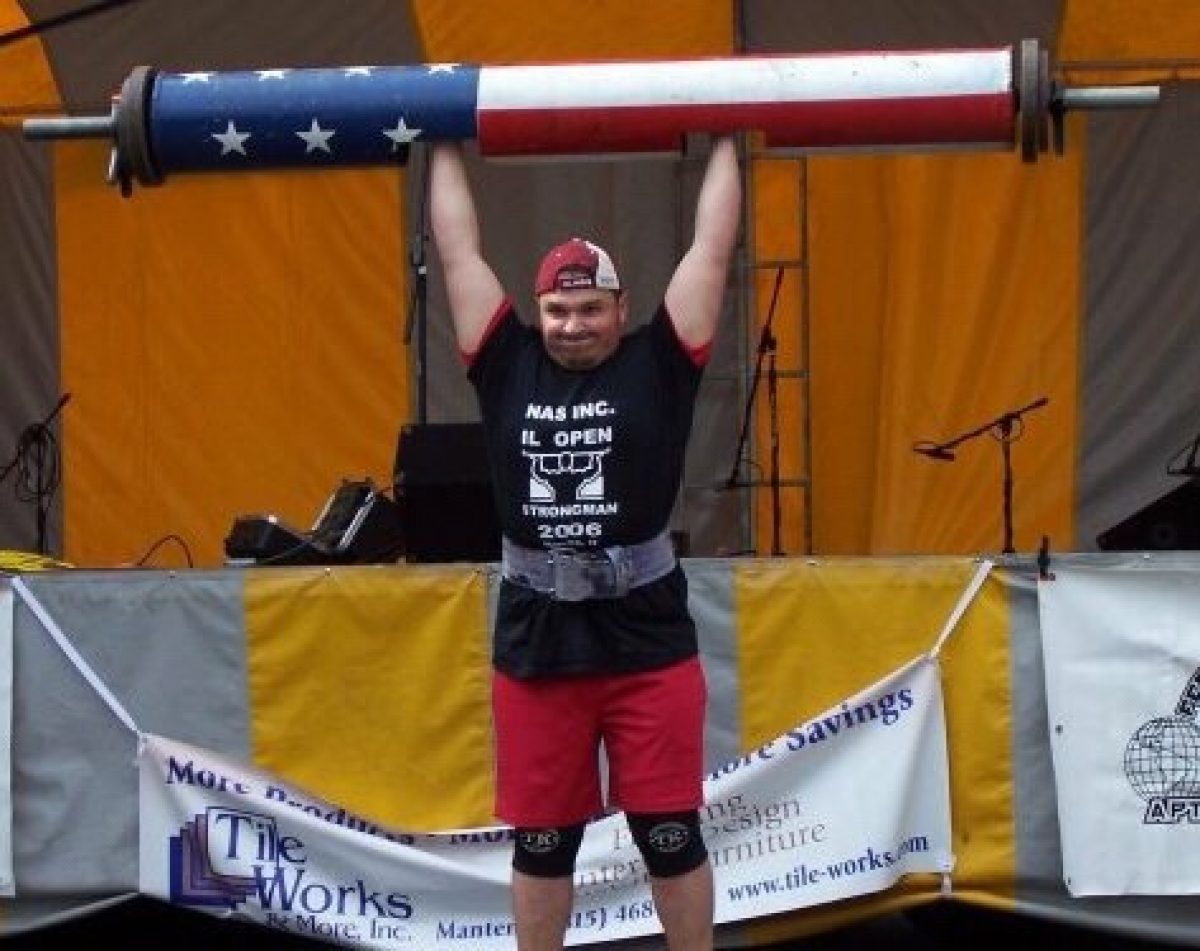
Speaking as a physical therapist, I can’t stress to the patients enough how the therapy experience is a team. Smart people call it therapeutic alliance, but I’ll settle for team. My part is to educate the patient and attempt to solve the puzzle of the patient’s pain, but it is the patient’s job to take the information that they have gained during the session and go home and apply it to their daily lives. For a patient to do nothing at home, AKA make no changes in behavior, and come to the following session thinking that the pain will go away is similar to :


https://spencergarnold.files.wordpress.com/2013/01/snatch-miracle.jpg


Patients may come hoping for a miracle, but it is not to be. The patient and therapist have to work together to attempt to solve the pain problem. If one side of the team is not doing their part, then the PT has to be willing to discharge the patient or the patient has to be willing to fire the PT.


  1. “…when PNE (Pain Nueroscience Education [pain is a normal human response]) is paired combined with either exercise or manual therapy, it is far superior in reducing pain compared to education alone”

From this I take that teaching the patient and then moving the patient is better than just teaching the patient. We can all agree that low level exercise is good for people. If we don’t agree with this, then we are saying that it is safer long term to live like a slug then to get up and walk around the living room. It just isn’t so. People will refuse to get up and walk around the living room when they start experiencing low back tightness, leg fatigue, or the dreaded “Fran cough” (look it up and btw I am an advocate professionally speaking). We as a society have to start moving more and learn about how our body is supposed to work. This can not be done from infomercials that have pictures of pulsating backs or frowning stomach fat.

And this is my two cents for the night.
If you are in need of physical therapy or would like to sign up for a complementary discovery session (a conversation to determine if therapy is right for you), contact me. 

Functional Therapy and Rehabilitation 

(Now part of the Goodlife family)

903 N 129th Infantry Dr. 

Joliet Il 60435

815-483-2440

If it hurts it must be bad, or good, or whatever.

Louw A, Puentedura EJ, Zimney K, Schmidt S. Know Pain, Know Gain? A perspective on Pain Neuroscience Education in Physical Therapy. J Orthop Sports Phys Ther. 2016;46(3):131-134.

  1. “Pain is a normal human experience and essential to survival”

This portion is rarely spoken of in PT school and we spend our time in school learning how to shut down the pain, either in an ideal way of dealing with a mechanical problem or in a way in which we “trick” the brain of not seeing the pain for a short period of time. When working with patients, I often describe the gate control theory as the “Three Stooges” way of treating pain. For instance, if you have a headache and I hit your foot with a hammer, what happened to your headache. I stole the example from my dad, because this is how he would always respond if I told him my arm was sore after baseball practice. This was way back in the 1980’s and he was a laborer by trade. The gate control theory makes sense to most people, but we can also see the example and understand that it is probably not the best way to fix a problem, as we end up with a broken foot from the hammer.

  1. “The pain neuromatrix explained our knowledge and understanding of the functional and structural changes in the brains of people suffering from chronic pain”

To simplify, we have pain because our brains tell us that something is painful. This could be due to past experiences, actual painful stimuli eliciting Nociception, super excited nerves , so on and so forth.

  1. “biomedical models may induce fear and anxiety, which may further fuel fear avoidance and pain catastrophization”

It is very common for a patient to come into the clinic and say that he/she is avoiding a particular activity because of a history of a herniated disc. There is research that shows that a herniated disc can become “unherniated” (for a lack of a more layman’s term) over the course of 6 months. The patients are never educated regarding this point. Once a herniation, always a herniation is just not true. This biomedical or pathoanatomical (patho=bad and anatomical = body parts) model of health care is outdated and simply is not as useful to use with the general public because research demonstrates that the patient may become “sick listed” and from there stop participating in previously enjoyable activities.

  1. “a plethora of papers have been dedicated to a mere 20-millisecond delay of abdominal muscle contraction, yet despite the enormous amount of time, money and energy spent on this science, clinically it has yet to provide results superior to those of any other form of exercise for low back pain”

Doing the vacuum pose while lying down is no better than doing a general squat or learning how to utilize your diaphragm during breathing mechanics. As the layperson, there are many people that want to take your money in the health care industry. (I hate to say it like this, but healthcare is a huge business and the public needs to see it as so.) When the new fad comes out to solve back pain, don’t buy into the infomercial and as a matter of fact, turn off the t.v. and go get a book from the local library. You will spend hundreds of dollars less than what is proposed on the infomercial and be better off after having read the book. Nothing beats knowledge and the smarter you are at taking care of yourself, the better armed you are when you actually get in front of a health care practitioner. Remember, it is a business and we all want your money if you will give it to us. A better use of your time is to come educated so that I don’t have to teach you the basics of posture for 30 minutes, but can instead can teach you how to perform more high level movement patterns instead of sitting properly to reduce your pain. Oh wait, pain is normal. I’d lose my job if I sold this to all of my patients, but instead the patients need to be educated between hurt and harm.

  1. “In all health care education, be it smoking cessation, weight loss, or breaking addiction, the ultimate goal is behavior change.”

Speaking as a physical therapist, I can’t stress to the patients enough how the therapy experience is a team. Smart people call it therapeutic alliance, but I’ll settle for team. My part is to educate the patient and attempt to solve the puzzle of the patient’s pain, but it is the patient’s job to take the information that they have gained during the session and go home and apply it to their daily lives. For a patient to do nothing at home, AKA make no changes in behavior, and come to the following session thinking that the pain will go away is similar to :

https://spencergarnold.files.wordpress.com/2013/01/snatch-miracle.jpg

Patients may come hoping for a miracle, but it is not to be. The patient and therapist have to work together to attempt to solve the pain problem. If one side of the team is not doing their part, then the PT has to be willing to discharge the patient or the patient has to be willing to fire the PT.

  1. “…when PNE (Pain Nueroscience Education [pain is a normal human response]) is paired combined with either exercise or manual therapy, it is far superior in reducing pain compared to education alone”

From this I take that teaching the patient and then moving the patient is better than just teaching the patient. We can all agree that low level exercise is good for people. If we don’t agree with this, then we are saying that it is safer long term to live like a slug then to get up and walk around the living room. It just isn’t so. People will refuse to get up and walk around the living room when they start experiencing low back tightness, leg fatigue, or the dreaded “Fran cough” (look it up and btw I am an advocate professionally speaking). We as a society have to start moving more and learn about how our body is supposed to work. This can not be done from infomercials that have pictures of pulsating backs or frowning stomach fat.

Rehab post TKA

Piva SR, Gil AB, Almeida GJM, et al. A Balance Exercise Program Appears to Improve Function for Patients With Total Knee Arthroplasty: A Randomized Clinical Trial. Phys Ther. 2010;90:880-894.

Intro: 37% of TKA’s still have functional limitations p one year. Diminished walking speed, difficulty ascending/descending stairs, inability to return to sport are chief functional complaints. During TKA surgery several tendons, capsule, and remaining ligaments are retightened to restore the joint spaces deteriorated by the arthritis. Some of the knee ligaments are removed or released, which may affect mechanoreceptors/balance.

PURPOSE:

  1. To determine the feasibility of applying a balance exercise program in patients with TKA
  2. To investigate whether an F (functional) T (training) program supplemented with a balance exercise program (FT+B) could improve function compared to FT program alone
  3. To test the method and calculate a sample size for a future RCT with a larger sample size

METHOD: Double-blind pilot RCT (very strong evidence)

Inclusion: TKA in the previous 2-6 months (meaning not eligible for study if the TKA was before 2 months previous)

Exclusion: 2 or more falls in the previous year. Unable to ambulate 100 feet with an AD or rest period, acute illness or cardiac issues, uncontrolled HTN, severe visual impairment, LE amputation, progressive neurological disorder or pregnant (interesting exclusion criteria).

All went through a quadriceps muscle-sparing incision (cuts through the fascia of the patella instead of the quadriceps) this may be a factor in reducing rehab stay.

See the appendix for the protocol (6 weeks).

Testing measures:

  1. Self-selected gait speed (interesting, but probably not feasible for our clinic)
  2. Timed chair rise test (5 repetitions): easily added to our testing.
  3. single leg stance time: easily added in
  4. LEFS
  5. WOMAC

RESULTS:

  1. Adherence for both groups is 100% and the HEP adherence was similar (filled out logs)
  2. walking speed continued to improve over the course of 6 months for the FT+B group and was 25% better than the FT only group.
  3. The interesting fact is that improvement continued up to 6 months, when previous literature describes 3 months and done.
  4. Single leg stance: FT+B improved (as expected due to SAID), but the FT group either maintained or worsened on speed and balance.

DISCUSSION: FT+B demonstrates clinically important differences in walking speed, SLS, stiffness and pain, without adverse events. Subjects in the FT+B could balance on average 4 seconds longer than baseline. This may be important for weight bearing during the stance phase of walking. Performance-based measures should be used in place of subjective measures.

TAKE HOME: Patients will benefit from the addition of balance exercises post-surgically. It may be prudent to discuss with the surgeons of increasing the length of stay in therapy and decreasing the number of visits per week, as progress continues to occur past the 3 months initially surmised. Each patient should be tested with one or more of the following:

  1. SLS
  2. Chair rise test
  3. Gait speed: important indicator of function/independence/death
  4. Balance test (excluding Tinetti due to possible ceiling affect when the patient no longer needs an AD).

If you need therapy after a total knee replacement, you can contact me at the following location.
Dr. Vince Gutierrez, PT, cert. MDT

Functional Therapy and Rehabilitation (Now part of the Goodlife family)

903 N Infantry Dr.

suite 500

Joliet, IL

60435

815-483-2440

Rehab post TKA

Piva SR, Gil AB, Almeida GJM, et al. A Balance Exercise Program Appears to Improve Function for Patients With Total Knee Arthroplasty: A Randomized Clinical Trial. Phys Ther. 2010;90:880-894.

Intro: 37% of TKA’s still have functional limitations p one year. Diminished walking speed, difficulty ascending/descending stairs, inability to return to sport are chief functional complaints. During TKA surgery several tendons, capsule, and remaining ligaments are retightened to restore the joint spaces deteriorated by the arthritis. Some of the knee ligaments are removed or released, which may affect mechanoreceptors/balance.

PURPOSE:

  1. To determine the feasibility of applying a balance exercise program in patients with TKA
  2. To investigate whether an F (functional) T (training) program supplemented with a balance exercise program (FT+B) could improve function compared to FT program alone
  3. To test the method and calculate a sample size for a future RCT with a larger sample size

METHOD: Double-blind pilot RCT (very strong evidence)

Inclusion: TKA in the previous 2-6 months (meaning not eligible for study if the TKA was before 2 months previous)

Exclusion: 2 or more falls in the previous year. Unable to ambulate 100 feet with an AD or rest period, acute illness or cardiac issues, uncontrolled HTN, severe visual impairment, LE amputation, progressive neurological disorder or pregnant (interesting exclusion criteria).

All went through a quadriceps muscle-sparing incision (cuts through the fascia of the patella instead of the quadriceps) this may be a factor in reducing rehab stay.

See the appendix for the protocol (6 weeks).

Testing measures:

  1. Self-selected gait speed (interesting, but probably not feasible for our clinic)
  2. Timed chair rise test (5 repetitions): easily added to our testing.
  3. single leg stance time: easily added in
  4. LEFS
  5. WOMAC

RESULTS:

  1. Adherence for both groups is 100% and the HEP adherence was similar (filled out logs)
  2. walking speed continued to improve over the course of 6 months for the FT+B group and was 25% better than the FT only group.
  3. The interesting fact is that improvement continued up to 6 months, when previous literature describes 3 months and done.
  4. Single leg stance: FT+B improved (as expected due to SAID), but the FT group either maintained or worsened on speed and balance.

DISCUSSION: FT+B demonstrates clinically important differences in walking speed, SLS, stiffness and pain, without adverse events. Subjects in the FT+B could balance on average 4 seconds longer than baseline. This may be important for weight bearing during the stance phase of walking. Performance-based measures should be used in place of subjective measures.

TAKE HOME: Patients will benefit from the addition of balance exercises post-surgically. It may be prudent to discuss with the surgeons of increasing the length of stay in therapy and decreasing the number of visits per week, as progress continues to occur past the 3 months initially surmised. Each patient should be tested with one or more of the following:

  1. SLS
  2. Chair rise test
  3. Gait speed: important indicator of function/independence/death
  4. Balance test (excluding Tinetti due to possible ceiling affect when the patient no longer needs an AD).